The “Set It and Forget It” Myth
It sounds like a dream: lay down a black cloth, throw some mulch on top, and never pull a weed again. Unfortunately, in the landscaping world, landscape fabric is often more of a curse than a cure. Here’s why we usually recommend skipping it:
-
Weeds Grow On Top of It: Dust, dirt, and decomposing mulch create a thin layer of soil right on top of the fabric. Weed seeds land there, sprout, and send roots through the fabric, making them nearly impossible to pull.
-
It Suffocates Your Soil: Soil needs to breathe. Fabric restricts the exchange of oxygen and gases, which can lead to “sour” soil and unhealthy plants.
-
It Blocks the Good Stuff: Organic mulch is supposed to decompose and nourish the ground. Fabric acts as a plastic barrier, preventing those vital nutrients from ever reaching your plants’ roots.
-
It’s a Nightmare to Remove: After a few years, the fabric often becomes intertwined with the roots of your desired plants. Removing it later usually involves a shovel, a lot of sweat, and potentially damaging your shrubs.
-
The “Fray” Factor: Give it a year or two, and the edges of that black plastic will start poking through your mulch like an unwanted guest. It looks messy and cheapens the look of your beds.
-
It Limits Your Future: Want to add a few more perennials next year? You’ll have to hack through the fabric, creating more holes for weeds to exploit and making gardening a massive chore.
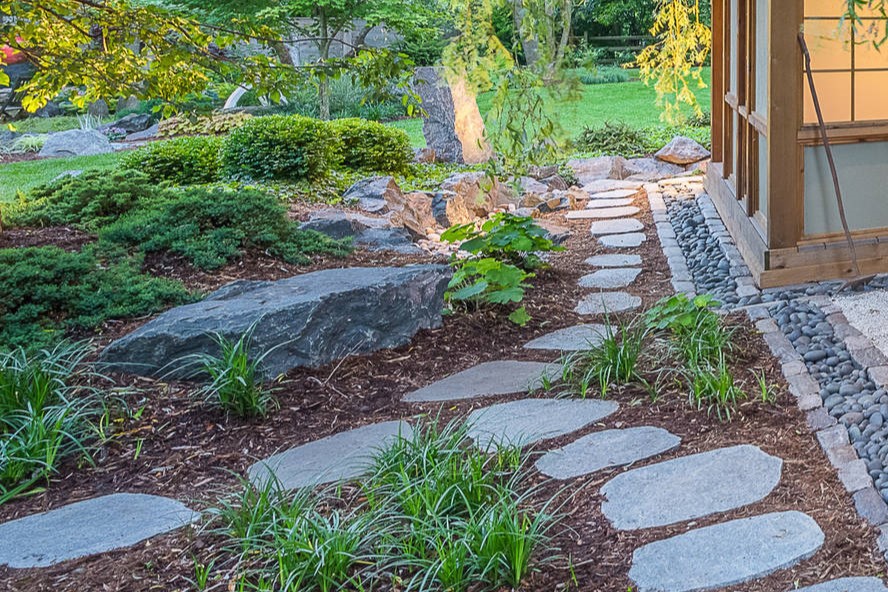
Our Advice: Skip the fabric. Use a thick layer (3–4 inches) of high-quality organic mulch instead. It suppresses weeds naturally and actually improves your soil over time.